
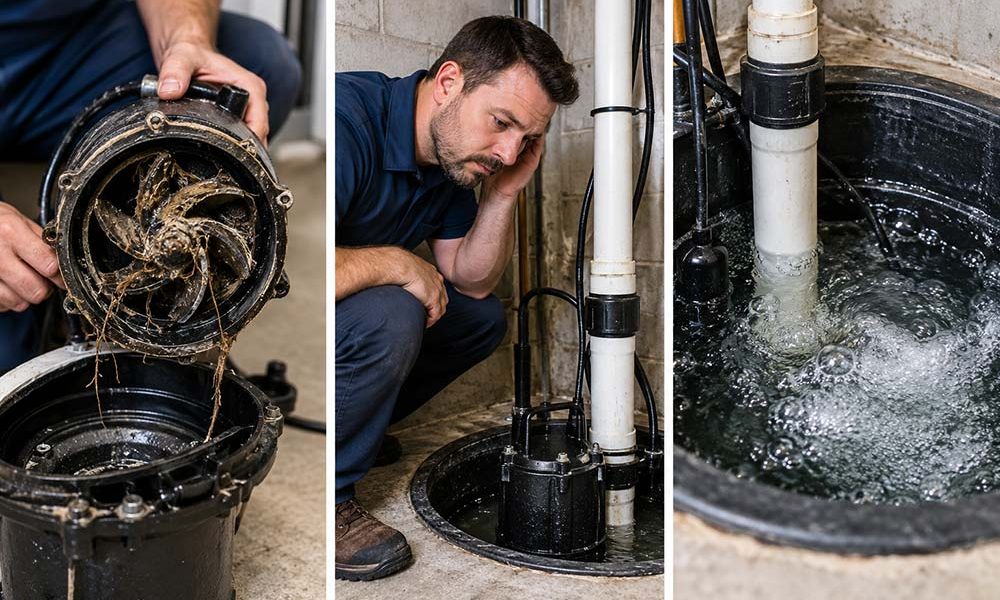
Grinding, humming, gurgling: what each sump pump noise means
Your sump pump starts grinding, humming, or gurgling and you are trying to decide whether the sound is normal or a warning. The noise matters most when it is new, louder than usual, or paired with poor pumping, repeated cycling, or a rising water level.
Grinding, humming, and gurgling sump pump noises usually point to different parts of the system. Grinding often suggests debris at the intake, contact around the impeller, or internal mechanical wear. Humming usually means the motor is energized, but the pump may be struggling to start or move water. Gurgling is often related to water and air moving through the discharge piping, especially as the pump shuts off or water changes direction. The sound alone does not confirm the repair. Check whether the water level is falling, whether the float moves freely, and whether the discharge is moving water. If the pump sounds strained, runs without lowering the water, repeatedly starts and stops, or requires electrical or mechanical disassembly, stop troubleshooting and call a licensed pump contractor. Sewage ejector systems should always be handled professionally if sewage exposure is possible.
What does a grinding sump pump noise mean?
A grinding sound usually makes us look first at the moving parts. The pump impeller has to spin freely. If debris reaches the intake or impeller area, it can create scraping or grinding sounds. Internal wear can sound similar.
Do not assume that every grinding noise means the pump itself has failed. Vibration can travel through piping or the pit, so a loose component can make the sound seem like it is coming directly from the motor. We listen to where the noise begins, then check whether the pump is actually moving water.
If the pump is grinding and the pit level is not dropping, shut it down only if doing so will not create an immediate flooding risk. A pump that is making mechanical noise while failing to move water should not be left running just because the motor still turns on.
For diagnosis of an existing system, see our sump pump installation and repair service.
Why is my sump pump humming but not pumping?
A humming sound usually tells us the motor is receiving power. What matters next is whether the pump starts moving water. If it only hums, the impeller may be blocked, the motor may be struggling to start, or the pump may be mechanically stuck.
Check the water level first. If the pump is humming while the water level keeps rising, treat that as an active pump failure. Do not keep unplugging and reconnecting it to force another start.
A float or control problem can also create confusing symptoms. The pump may receive power at the wrong time, or it may be called to run even though the operating condition is not normal. Electrical testing should be done by someone qualified to work on the system.
If the pump is no longer reliable or internal wear is confirmed, our sump pump replacement service covers removal and replacement.
Why does a sump pump gurgle after it shuts off?
Gurgling usually points us toward the discharge side. Water is moving through piping, air is moving with it, and flow changes when the pump stops. Some sound during that change can be normal.
A new or louder gurgle deserves a closer look. Water may be returning toward the pit. A check valve may not be closing as expected. The discharge path may also be creating turbulence that was not noticeable before.
Watch what happens after the pump shuts off. If the pit level rises right away and the pump restarts, the sound may be tied to water returning through the discharge line. Repeated cycling adds wear and can hide a discharge problem behind what sounds like a simple plumbing noise.
What can I check safely before calling for service?
If the area is dry and there is no sewage contact, a few checks are reasonable for a homeowner or property manager. Keep the inspection visual. Do not reach into an energized pit.
- Look at the pit and see whether the water level falls while the pump runs.
- Check whether the float can move without catching on the pit wall, piping, or wiring.
- Listen for whether the noise starts with the motor, during water movement, or after shutdown.
- Look at the visible discharge piping for a loose connection or obvious vibration.
- Check whether water returns to the pit right after the pump stops.
Stop there if the next step requires opening electrical components, removing the pump, taking apart the discharge, or reaching into the pit. Those steps move into contractor work.
If the system is a sewage ejector or sewer ejector setup, sewage contact stays on the professional side. Do not open or reach into a sewage basin. Fox Pump Systems provides sewer ejector pump service across San Diego County.
When does a sump pump noise need professional service?
Call for service when the noise comes with a performance problem. A pump that hums without moving water needs attention. Grinding that gets worse should be inspected. Gurgling paired with immediate restarting can point to a discharge or check valve issue.
We also want to see the system when the sound changes suddenly and stays changed. Pumps develop recognizable operating sounds over time. A new mechanical sound can be the first sign that a part is contacting, binding, or wearing.
We diagnose the whole system before deciding what to repair. That includes the pump, float or controls, visible discharge components, and the operating condition in the pit. Fox Pump Systems works on Zoeller, Liberty, Hydromatic, Crane, Tsurumi, Sta-Rite, Wayne, Goulds, Jackel, Grundfos, Myers, Barnes, E/One, Alderon, SJE Rhombus, and PSI equipment.
For non-emergency scheduling, use our service request.
Frequently asked questions
Is it normal for a sump pump to make noise when it starts?
Some operating noise is normal when a sump pump starts and moves water. The concern is a new sound, a much louder sound, or a noise that continues when the pump is not moving water correctly. A change in sound is worth checking because it can point to a mechanical, discharge, or control problem.
Why does my sump pump make a loud noise and then stop?
A loud sound followed by a stop can come from the pump, the float control, or water moving through the discharge line. If the pump repeatedly starts and stops, sounds strained, or leaves the pit level unchanged, the system should be inspected instead of repeatedly cycling it to see if the noise disappears.
Can debris in the pit make a sump pump grind?
Yes. Debris can reach the intake or impeller area and create scraping or grinding sounds. Turn the system off only if the area is dry and the pit is not actively filling. Do not reach into an energized pit. If debris is inside the pump or removal requires disassembly, call a licensed pump contractor.
Why does my sump pump gurgle after it shuts off?
Gurgling after shutdown can come from water and air moving through the discharge piping as flow slows or changes direction. It can also happen when water returns toward the pit. If the sound is new, frequent, or paired with repeated cycling, the discharge path and check valve should be inspected.
Should I replace a noisy sump pump or repair it?
That depends on the cause of the noise and the condition of the pump. A loose component, blocked intake, control problem, or discharge issue may be repairable. Internal wear or repeated mechanical trouble may point toward replacement. We diagnose the system first so the recommendation matches what is actually causing the sound.
How we can help
Fox Pump Systems is a licensed pump specialty contractor serving San Diego County under CSLB Lic #928391. Owner Steve Fox has worked on sewage and sump pumps since 1986. If your sump pump is grinding, humming, gurgling, or making another new noise, call 619-240-4013. Our office is open Monday through Friday from 8am to 5pm, and emergency pump service is available 24/7.
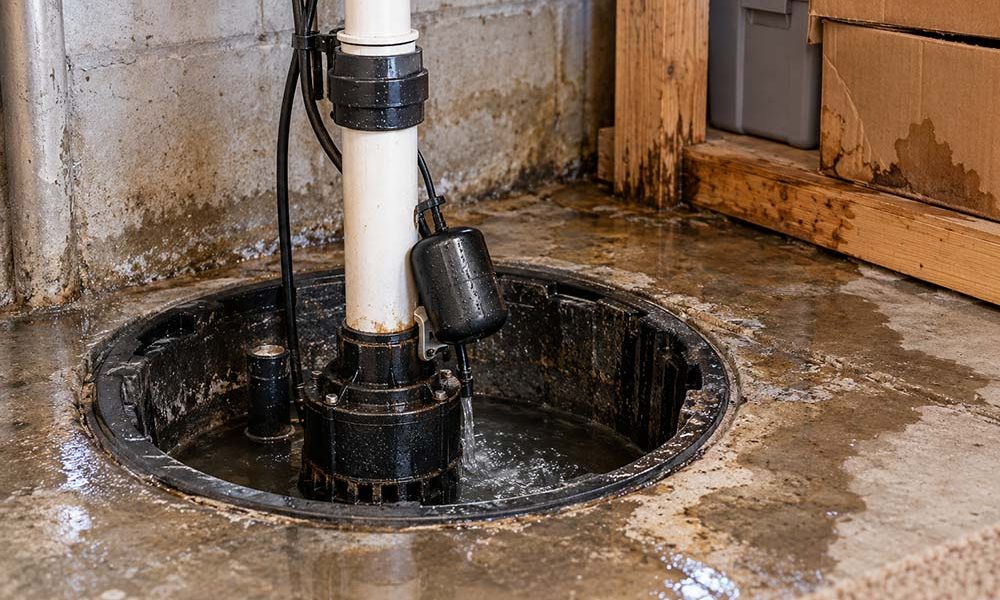
Sump pump won’t shut off: causes and what it’s damaging
Your sump pump is still running after the water level should have dropped, or it keeps cycling without a clear reason. That can point to a float problem, a control issue, restricted discharge, or water entering the pit faster than the system can clear it.
A sump pump that won’t shut off should be checked promptly because continuous operation can wear the pump and may signal a problem elsewhere in the system. Common causes include a float that is stuck or misaligned, a failed switch, a discharge line that is restricted, a check valve that is not working correctly, or steady water entering the pit. A pump can also keep running when it is not matched well to the job or when the system controls are malfunctioning. Homeowners can safely look for a trapped float, visible debris, or an obvious discharge problem if the area is dry and there is no sewage exposure. Electrical testing, switch replacement, pump removal, discharge repairs, and any work involving sewage should be handled by a licensed pump contractor. If the pump is running continuously while water is still rising, treat the situation as urgent.
Why won’t my sump pump shut off?
The first thing we look at is whether the pump is being told to run when it should not. In many sump systems, a float rises with the water and activates a switch. When the water drops, the float should fall and the switch should stop the pump. If the float cannot move freely, the pump may stay on.
A float can catch against the pit wall, discharge pipe, wiring, or another component. Debris in the pit can interfere with movement too. Sometimes the float moves normally but the switch itself has failed.
Continuous operation can also come from the water side of the system. If water keeps entering the pit, the pump may be responding correctly. The problem may be that the discharge path is restricted or the pump cannot move water out as fast as it is arriving.
A check valve can be part of the issue. If pumped water falls back into the pit after each cycle, the pump may restart repeatedly or run much longer than expected. That is different from a failed switch, even though the symptom can look similar from the room above.
What can continuous running damage?
A sump pump that runs much longer than intended can wear faster. Bearings, seals, the impeller, and the motor all depend on the pump operating within the conditions it was designed for. Running with very little water can be especially hard on some pumps because cooling conditions may change.
The bigger risk is losing the pump while the property still needs it. If a continuously running pump fails during active water entry, a crawlspace or low area can begin taking on water. We treat nonstop operation as a symptom to diagnose, even when the pump is still moving water.
For inspection and repair of an existing system, see our sump pump installation and repair service.
What can a homeowner safely check?
If the area is dry, there is no sewage contact, and you can reach the system without entering standing water, a few visual checks can help narrow down the problem.
- Look at the water level in the sump pit and see whether it is dropping while the pump runs.
- Check whether the float appears trapped against the wall, piping, cord, or debris.
- Listen for changes in the pump sound that could suggest it is pulling air or struggling to move water.
- Look at the visible discharge path for an obvious kink, loose connection, or obstruction you can see without disassembly.
- Check whether water seems to return to the pit after the pump stops.
Do not reach into a wet pit while the pump is energized. Do not remove electrical covers or test live wiring. If unplugging the pump is necessary to stop it from running, only do so when the area is dry and the pit is not actively filling. If water is entering, leaving the pump off can create a flooding risk.
If the pump appears worn, unreliable, or no longer suited to the system, our sump pump replacement service covers evaluation and replacement.
When does the job need a licensed pump contractor?
Once the problem moves beyond a simple visual check, we recommend professional service. Electrical controls need proper testing. A restricted discharge may require disassembly. Pump removal can expose wiring and wet components that should be handled safely.
Call a licensed pump contractor when:
- The pump keeps running after the float appears to drop normally.
- The pump runs but the water level does not fall.
- The pump cycles again as soon as it stops.
- The motor sounds strained, rough, or different from normal.
- The discharge line needs to be opened or repaired.
- There is any sewage exposure or the system is connected to a sewage ejector setup.
Sewage contact is always on the professional side. Do not open, reach into, or disassemble a sewage ejector basin. Fox Pump Systems services sump pumps and sewage pump systems throughout San Diego County, with pump work handled under CSLB Lic #928391.
If the system involves an ejector rather than a standard drainage sump, our sewer ejector pump service page explains the service we provide.
How do we diagnose a sump pump that runs continuously?
We start with the operating condition. Is water still entering the pit? Is the float moving through its full range? Does the pump shut off when the control is tested? Is water leaving through the discharge as expected?
Then we test the part of the system that matches the symptom. A float problem calls for a different repair than a discharge restriction. A pump moving water but never catching up needs a different assessment than one running in a nearly empty pit.
We also check whether the installed pump and controls fit the application. If repair makes sense, we repair the fault. If replacement is the better mechanical choice, we can replace the pump and set the controls so the system cycles correctly.
Frequently asked questions
Can I unplug a sump pump that will not stop running?
If the pit is not actively filling and the area is dry, unplugging the pump can stop unnecessary operation while you inspect the float from a safe position. Do not leave the system disabled if water is entering the pit. If you are unsure why it is running, arrange service before relying on the pump again.
Why does my sump pump keep running even when the pit looks empty?
A float can hang up, a switch can fail, or the control system can keep calling for the pump after the water level drops. The pump may also be pulling water from a level that is hard to see. If the pump stays on after a basic visual check, the switch and controls should be tested.
Can a sump pump burn out from running continuously?
Continuous running can shorten pump life, especially when the pump is running with little water or against a restricted discharge. Heat and mechanical wear build over time. Some pumps are built for longer duty cycles than others, so the correct response depends on the pump, its controls, and the water entering the pit.
What if the sump pump turns off only when I move the float by hand?
That points to a float movement or switch problem that needs attention. The float may be catching on the pit wall, piping, wiring, or debris. If repositioning the float does not correct the problem permanently, the switch or float assembly may need repair or replacement by a pump contractor.
Should I call for emergency service if the pump will not shut off?
Call for emergency pump service when the pump is running continuously and the water level is rising, the discharge appears blocked, the pump sounds distressed, or the system serves sewage. Fox Pump Systems provides 24/7 emergency pump service across San Diego County. For stable non-emergency conditions, service can also be scheduled during office hours.
How we can help
Fox Pump Systems has worked on sewage and sump pumps since 1986 under owner Steve Fox. We provide sump pump repair, replacement, ejector service, and planned maintenance across San Diego County. If your sump pump won’t shut off, call 619-240-4013 or send a service request. Our office is open Monday through Friday from 8am to 5pm, and emergency pump service is available 24/7.
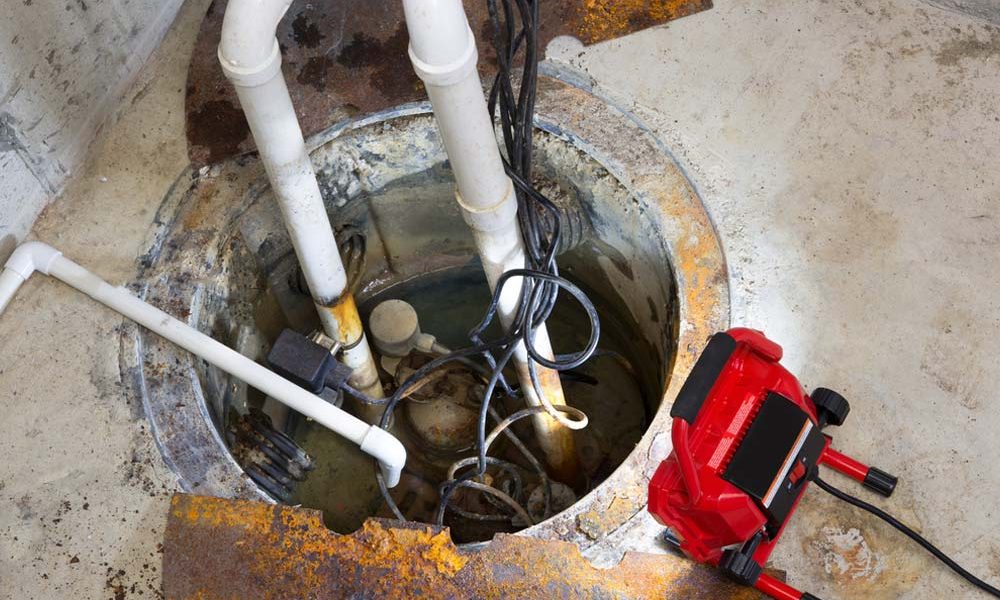
Why your sump pump keeps running when it hasn’t rained
Your sump pump is still running, but the weather is dry. Maybe it keeps cycling in a crawlspace pit, or it seems to run without stopping next to a slab foundation. That usually means the pump is responding to water from another source or the system is not shutting off the way it should.
A sump pump can keep running when it hasn’t rained because water may still be entering the pit, the float switch may be stuck, or discharged water may be returning to the sump. A plumbing leak or drainage issue can also keep supplying water. Start with a safe visual check. Look at the water level without reaching into the pit. See whether the float appears trapped by a pipe, cord, or debris. Listen for water returning after the pump stops. Check the visible discharge area if it can be reached without opening electrical equipment or handling contaminated water. If the pump runs continuously, cannot lower the water level, makes an unusual sound, or the cause is not obvious, call a licensed pump contractor. Continuous operation can point to a switch, pump, discharge, or system problem that needs hands-on testing.
What can make a sump pump run when there is no rain?
Rain is only one way water can reach a sump pit. In a crawlspace, water may continue moving toward the pit after the surface outside looks dry. A drainage system connected to the sump may still be collecting water from around the structure. The pump simply reacts to the level in the pit.
Another possibility is water coming from inside the property. A plumbing leak can feed a crawlspace or low area and make the sump pump seem busy for no weather-related reason. If the pit is filling with clear water while fixtures are off, that is useful information to give the technician.
The problem may also be in the pump controls. Most sump pumps rely on a float or switch that changes position as the water level rises and falls. If that part cannot move normally, the pump may stay energized even after the water has been removed.
We handle sump pump installation and repair in San Diego and can test the pump, switch, discharge path, and related components when the cause is not clear from a safe visual check.
Is the float switch stuck?
A stuck float is one of the first things worth looking at because you may be able to see the problem without touching the equipment. The float needs room to move. If it is resting against the side of the pit, caught under a pipe, or blocked by something visible, the switch may continue calling for the pump to run.
Do not put your hand into a wet sump pit while electrical equipment is connected. Do not pull on wiring or try to reposition a switch by handling electrical parts. A visual check is enough.
If the float appears free but the pump still will not shut off, the switch may need testing. That is no longer a simple homeowner check. The same is true if the pump starts only when the switch is moved by hand, stops unpredictably, or runs after the pit level has dropped below its normal shutoff point.
Could discharged water be coming back into the pit?
Yes. A sump pump is supposed to move water away from the pit through the discharge piping. If some of that water returns after the pump stops, the water level can rise again and restart the pump. You may hear water moving back toward the pit or notice the level rising soon after a cycle ends.
The check valve is one part of the discharge system that can affect this behavior. A problem in the discharge path can also reduce how effectively the pump moves water. The pump may run for a long time because the system is not getting the water out as intended.
Do not take apart a discharge line while the pump is operating. If the system is cycling repeatedly, our sump pump repair service can be used to inspect the pump and discharge setup together instead of treating the pump as an isolated part.
What can you check safely before calling?
Keep the first checks simple. You are trying to gather information, not rebuild the system.
- Look at the water level from a dry, stable position.
- Watch whether the level drops while the pump is running.
- See whether the float has visible room to move.
- Listen for water returning after the pump stops.
- Check for obvious water entering the crawlspace or sump area from a plumbing source.
Stop there if the check would require reaching into water, opening electrical components, disconnecting piping, or handling a pump that may contain sewage. Sewage contact is always on the professional side of the line. For a sewage or ejector system, use a licensed contractor rather than opening the basin or handling contaminated components.
Fox Pump Systems also provides sewage ejector pump installation and related pump services for systems that handle wastewater.
When does constant running point to repair or replacement?
If the pump is running and the water level is falling normally, the pump may simply be dealing with a continuing water source. The next question is why that water is entering the pit.
If the pump runs but the level barely changes, the pump or discharge path needs closer inspection. If the pit is already low and the pump still stays on, the switch or control is a stronger suspect. Strange sounds, repeated stopping and starting, or a motor that runs without moving water also call for service.
Repair is not always the same answer. A technician may find that a switch, check valve, discharge condition, or another serviceable part is causing the issue. In other cases, the pump itself may no longer be dependable. When replacement is the right path, we provide sump pump replacement in San Diego.
For property managers, repeated run time can also be a reason to review the system before the next water event. Planned maintenance can catch a pump that is cycling abnormally, a control that is not behaving correctly, or a discharge issue before the system is under heavier demand.
Fox Pump Systems serves San Diego County. Steve Fox has worked on sewage and sump pumps since 1986, and our contractor license is CSLB Lic #928391. Our office is at 5575 Magnatron Blvd #i, San Diego, CA 92111.
Frequently asked questions
Can a sump pump run even when the weather is dry?
Yes. A sump pit can receive water from groundwater, drainage around the structure, or another water source even when there has been no recent rain. A pump that cycles occasionally may be responding to real water. A pump that runs continuously should be checked for a float, discharge, check valve, or pump problem.
Should I unplug a sump pump that will not stop running?
Do not unplug it just to make the noise stop if water is still entering the pit. That can allow the water level to rise. If the pump is running with little or no water, or it sounds abnormal, avoid reaching into the pit and arrange service so the cause can be checked safely.
Can a stuck float make a sump pump run nonstop?
Yes. The float or switch tells the pump when to start and stop. If the float is caught, blocked, damaged, or unable to move through its normal range, the pump may continue running. A visible obstruction can sometimes be spotted safely, but electrical or mechanical switch work should be left to a qualified contractor.
Why does my sump pump shut off and start again a few seconds later?
Rapid restarting can happen when discharged water flows back toward the pit, the water level reaches the switch point again, or the switch is not operating normally. The exact cause depends on the system. Repeated short cycling is worth having checked because the pump is being asked to start much more often than normal.
When should I call Fox Pump Systems for a sump pump that keeps running?
Call when the pump does not shut off, the water level is not dropping, the pump sounds different, or a safe visual check does not reveal the problem. Fox Pump Systems serves San Diego County and provides sump pump repair and replacement. Emergency pump service is available 24/7 at 619-240-4013.
If your sump pump keeps running and you cannot identify the reason with a safe visual check, call Fox Pump Systems at 619-240-4013. Our office hours are Monday to Friday, 8am to 5pm, and emergency pump service is available 24/7.
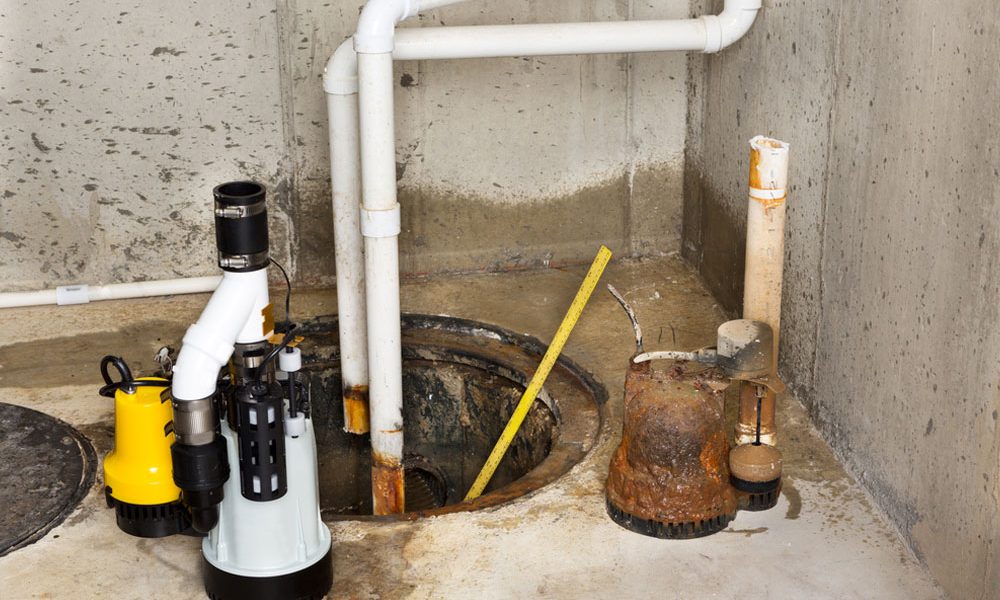
Sump pump not turning on: what to check before you call
If your sump pump is not turning on, the first concern is usually simple: is the pump actually failing, or is something around it keeping it from starting? In a crawlspace or slab-area sump setup, a few safe checks can tell you whether the problem needs pump service.
A sump pump that will not turn on should be checked first for a lost power supply, a tripped breaker or GFCI, a disconnected plug, a float that cannot move freely, or a sump water level that has not risen enough to trigger the pump. Look only at parts that are dry and easy to reach without opening electrical equipment or putting your hands into questionable water. Stop if the cord is damaged, an outlet is wet, a breaker keeps tripping, the pump smells hot or burned, or the system serves sewage. A pump that stays silent with water high in the pit may have a failed switch, control problem, motor problem, or another fault that needs testing. If the safe checks do not restore normal operation, a licensed pump contractor should inspect the system before the water level becomes a larger property problem.
What should you check when a sump pump will not turn on?
Start with the conditions around the pump, not the pump internals. A sump pump is an electrical appliance working around water, so the safe homeowner checks are the ones you can make without taking covers off, opening a control box, splicing wires, or disassembling the pump.
- Check the plug. Make sure the pump or pump control is plugged in fully and the cord has not been pulled loose.
- Check the breaker. If the breaker has tripped once, reset it only if the area is dry and there is no obvious damage. If it trips again, stop.
- Check a nearby GFCI. A tripped GFCI can remove power from the pump circuit. Reset it only if the receptacle and surrounding area are dry.
- Look at the float. If the float is visible, make sure it can move freely and is not pinned against the pit wall or caught by a cord. Remove only loose debris you can reach without putting your hands into the water.
- Look at the water level. An automatic sump pump will not start until its switch reaches the activation position.
Do not bypass a switch or defeat a GFCI. Do not keep resetting a breaker that will not stay on. Those actions can hide the actual fault. If the pump still will not start, our sump pump installation and repair service covers testing and repair for systems in San Diego County.
Is the problem power or the float?
When a sump pump stays completely silent, power is one of the first things to rule out. A loose plug or a tripped protective device can make a good pump look dead. A circuit problem can do the same. If power appears normal, the float or control is the next visible part to consider.
The float has to move through its intended range. A float wedged against the basin wall may never send the signal to start. A cord can hold it down. Sediment or loose material in the pit can interfere with movement. You can often spot those conditions without touching the pump.
Water level matters too. If the water is below the float’s start point, the pump may be doing exactly what it should. If the water is rising well above the normal switch position and the pump stays off, that is different. At that point, avoid forcing the switch or opening electrical components. A technician can determine whether the switch, control, wiring, or motor is the cause.
If the pump runs but does not remove water, that is a different problem from a pump that will not turn on. A discharge obstruction, failed check valve, damaged impeller, or pump wear may be involved. Our sump pump replacement service is available when testing shows that repair is not the right fix.
When should you stop troubleshooting and call a licensed contractor?
The line is simple. Homeowner-safe checks stay outside the equipment. Contractor work begins when testing requires electrical access, pump removal, disassembly, wiring work, control testing, or contact with contaminated water.
You should stop and call for service when any of these conditions are present:
- The outlet, plug, cord, control box, or surrounding area is wet.
- The breaker or GFCI trips again after one reset.
- The pump hums but does not move water.
- The pump smells burned or feels unusually hot from the outside.
- The pump makes a new grinding sound.
- The water level is high and the pump remains off after power and float position have been checked.
- The system handles sewage or wastewater that may contain sewage.
Sewage contact is always on the professional side. A sewage ejector or sewage pump system is not a place for homeowner troubleshooting inside the basin. Fox Pump Systems services these systems, including sewage ejector pump installation and related pump work.
What can a pump technician test that a homeowner should not?
A licensed pump technician can identify whether the fault is in the power supply or the pump system, then test the controls as needed. That usually means testing components under safe conditions, confirming whether the switch is sending the right signal, checking the motor response, inspecting connections, and evaluating the pump after it is removed when removal is needed.
That matters because several faults can look the same from above the pit. A failed float switch can look like a failed motor. A control problem can look like a dead pump. A jammed or worn pump can trip protection and make the electrical circuit appear to be the issue.
We work on sump and sewage pump systems across San Diego County and service Zoeller, Liberty, Hydromatic, Crane, Tsurumi, Sta-Rite, Wayne, Goulds, Jackel, Grundfos, Myers, Barnes, E/One, Alderon, SJE Rhombus, and PSI equipment. If you need an inspection, you can also send a request through our service request page.
FAQ about sump pumps that will not start
Can a sump pump be working even if I do not hear it run?
Yes. An automatic sump pump may stay off when the water level is below the switch point. If the pit is dry or only partly filled, silence does not prove there is a problem. The concern is a rising water level that reaches the switch area while the pump remains off.
Should I keep resetting the breaker if the sump pump will not start?
No. One reset can confirm whether the breaker simply tripped, but repeated tripping points to a fault that needs inspection. Stop if the breaker trips again. Do not keep cycling power. Do not open electrical equipment or bypass protection to force the pump to run.
Can a stuck float keep a sump pump from turning on?
Yes. A float that cannot rise or move through its normal path may never activate the pump. If the float is visible, look for contact with the basin wall or a tangled cord. Obvious debris can also block movement. Do not reach into unsafe water or dismantle the switch assembly.
What if the sump pump is humming but not pumping?
A humming pump is receiving some power, but that does not mean it can move water. The pump may be jammed or worn. Another mechanical fault may be present. Turn the situation over to a pump technician rather than letting the motor continue to strain without normal flow.
Can I troubleshoot a sewage ejector pump the same way?
No. Keep sewage and wastewater contact on the professional side. You can observe the alarm and visible power conditions from outside the basin. Obvious external damage is also worth noting. Do not remove covers or reach into a sewage ejector system. Call a licensed pump contractor for testing and service.
If your sump pump is not turning on and the safe checks do not solve it, call Fox Pump Systems at 619-240-4013. Steve Fox has been working on sewage and sump pumps since 1986. Fox Pump Systems is CSLB Lic #928391. We serve San Diego County, with office hours Monday through Friday from 8am to 5pm and emergency pump service available 24/7.