![Your sump pump is still running after the water level should have dropped, or it keeps cycling without a clear reason. That can point to a float problem, a control issue, restricted discharge, or water entering the pit faster than the system can clear it. A sump pump that won’t shut off should be checked […]](https://foxpumpsystems.com/wp-content/uploads/2026/09/Sump-pump-wont-shut-off-causes-and-what-its-damaging-img-750x420.jpg "Sump pump won’t shut off: causes and what it’s damaging")
Your sump pump is still running after the water level should have dropped, or it keeps cycling without a clear reason. That can point to a float problem, a control issue, restricted discharge, or water entering the pit faster than the system can clear it.
A sump pump that won’t shut off should be checked promptly because continuous operation can wear the pump and may signal a problem elsewhere in the system. Common causes include a float that is stuck or misaligned, a failed switch, a discharge line that is restricted, a check valve that is not working correctly, or steady water entering the pit. A pump can also keep running when it is not matched well to the job or when the system controls are malfunctioning. Homeowners can safely look for a trapped float, visible debris, or an obvious discharge problem if the area is dry and there is no sewage exposure. Electrical testing, switch replacement, pump removal, discharge repairs, and any work involving sewage should be handled by a licensed pump contractor. If the pump is running continuously while water is still rising, treat the situation as urgent.
Why won’t my sump pump shut off?
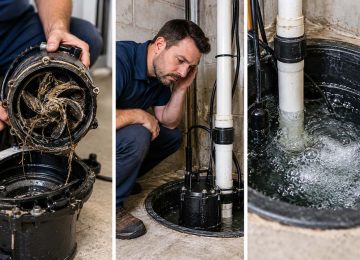
The first thing we look at is whether the pump is being told to run when it should not. In many sump systems, a float rises with the water and activates a switch. When the water drops, the float should fall and the switch should stop the pump. If the float cannot move freely, the pump may stay on.
A float can catch against the pit wall, discharge pipe, wiring, or another component. Debris in the pit can interfere with movement too. Sometimes the float moves normally but the switch itself has failed.
Continuous operation can also come from the water side of the system. If water keeps entering the pit, the pump may be responding correctly. The problem may be that the discharge path is restricted or the pump cannot move water out as fast as it is arriving.
A check valve can be part of the issue. If pumped water falls back into the pit after each cycle, the pump may restart repeatedly or run much longer than expected. That is different from a failed switch, even though the symptom can look similar from the room above.
What can continuous running damage?
A sump pump that runs much longer than intended can wear faster. Bearings, seals, the impeller, and the motor all depend on the pump operating within the conditions it was designed for. Running with very little water can be especially hard on some pumps because cooling conditions may change.
The bigger risk is losing the pump while the property still needs it. If a continuously running pump fails during active water entry, a crawlspace or low area can begin taking on water. We treat nonstop operation as a symptom to diagnose, even when the pump is still moving water.
For inspection and repair of an existing system, see our sump pump installation and repair service.
What can a homeowner safely check?
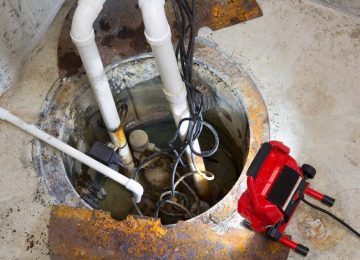
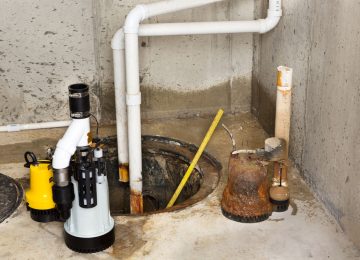
If the area is dry, there is no sewage contact, and you can reach the system without entering standing water, a few visual checks can help narrow down the problem.
- Look at the water level in the sump pit and see whether it is dropping while the pump runs.
- Check whether the float appears trapped against the wall, piping, cord, or debris.
- Listen for changes in the pump sound that could suggest it is pulling air or struggling to move water.
- Look at the visible discharge path for an obvious kink, loose connection, or obstruction you can see without disassembly.
- Check whether water seems to return to the pit after the pump stops.
Do not reach into a wet pit while the pump is energized. Do not remove electrical covers or test live wiring. If unplugging the pump is necessary to stop it from running, only do so when the area is dry and the pit is not actively filling. If water is entering, leaving the pump off can create a flooding risk.
If the pump appears worn, unreliable, or no longer suited to the system, our sump pump replacement service covers evaluation and replacement.
When does the job need a licensed pump contractor?
Once the problem moves beyond a simple visual check, we recommend professional service. Electrical controls need proper testing. A restricted discharge may require disassembly. Pump removal can expose wiring and wet components that should be handled safely.
Call a licensed pump contractor when:
- The pump keeps running after the float appears to drop normally.
- The pump runs but the water level does not fall.
- The pump cycles again as soon as it stops.
- The motor sounds strained, rough, or different from normal.
- The discharge line needs to be opened or repaired.
- There is any sewage exposure or the system is connected to a sewage ejector setup.
Sewage contact is always on the professional side. Do not open, reach into, or disassemble a sewage ejector basin. Fox Pump Systems services sump pumps and sewage pump systems throughout San Diego County, with pump work handled under CSLB Lic #928391.
If the system involves an ejector rather than a standard drainage sump, our sewer ejector pump service page explains the service we provide.
How do we diagnose a sump pump that runs continuously?
We start with the operating condition. Is water still entering the pit? Is the float moving through its full range? Does the pump shut off when the control is tested? Is water leaving through the discharge as expected?
Then we test the part of the system that matches the symptom. A float problem calls for a different repair than a discharge restriction. A pump moving water but never catching up needs a different assessment than one running in a nearly empty pit.
We also check whether the installed pump and controls fit the application. If repair makes sense, we repair the fault. If replacement is the better mechanical choice, we can replace the pump and set the controls so the system cycles correctly.
Frequently asked questions
Can I unplug a sump pump that will not stop running?
If the pit is not actively filling and the area is dry, unplugging the pump can stop unnecessary operation while you inspect the float from a safe position. Do not leave the system disabled if water is entering the pit. If you are unsure why it is running, arrange service before relying on the pump again.
Why does my sump pump keep running even when the pit looks empty?
A float can hang up, a switch can fail, or the control system can keep calling for the pump after the water level drops. The pump may also be pulling water from a level that is hard to see. If the pump stays on after a basic visual check, the switch and controls should be tested.
Can a sump pump burn out from running continuously?
Continuous running can shorten pump life, especially when the pump is running with little water or against a restricted discharge. Heat and mechanical wear build over time. Some pumps are built for longer duty cycles than others, so the correct response depends on the pump, its controls, and the water entering the pit.
What if the sump pump turns off only when I move the float by hand?
That points to a float movement or switch problem that needs attention. The float may be catching on the pit wall, piping, wiring, or debris. If repositioning the float does not correct the problem permanently, the switch or float assembly may need repair or replacement by a pump contractor.
Should I call for emergency service if the pump will not shut off?
Call for emergency pump service when the pump is running continuously and the water level is rising, the discharge appears blocked, the pump sounds distressed, or the system serves sewage. Fox Pump Systems provides 24/7 emergency pump service across San Diego County. For stable non-emergency conditions, service can also be scheduled during office hours.
How we can help
Fox Pump Systems has worked on sewage and sump pumps since 1986 under owner Steve Fox. We provide sump pump repair, replacement, ejector service, and planned maintenance across San Diego County. If your sump pump won’t shut off, call 619-240-4013 or send a service request. Our office is open Monday through Friday from 8am to 5pm, and emergency pump service is available 24/7.