![If your sump pump is not turning on, the first concern is usually simple: is the pump actually failing, or is something around it keeping it from starting? In a crawlspace or slab-area sump setup, a few safe checks can tell you whether the problem needs pump service. A sump pump that will not turn […]](https://foxpumpsystems.com/wp-content/uploads/2026/08/Sump-pump-not-turning-on-what-to-check-before-you-call-img-750x420.jpg "Sump pump not turning on: what to check before you call")
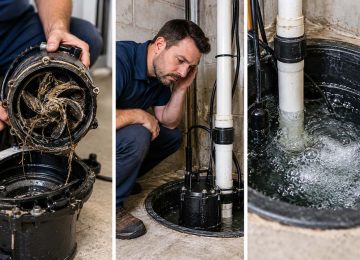
If your sump pump is not turning on, the first concern is usually simple: is the pump actually failing, or is something around it keeping it from starting? In a crawlspace or slab-area sump setup, a few safe checks can tell you whether the problem needs pump service.
A sump pump that will not turn on should be checked first for a lost power supply, a tripped breaker or GFCI, a disconnected plug, a float that cannot move freely, or a sump water level that has not risen enough to trigger the pump. Look only at parts that are dry and easy to reach without opening electrical equipment or putting your hands into questionable water. Stop if the cord is damaged, an outlet is wet, a breaker keeps tripping, the pump smells hot or burned, or the system serves sewage. A pump that stays silent with water high in the pit may have a failed switch, control problem, motor problem, or another fault that needs testing. If the safe checks do not restore normal operation, a licensed pump contractor should inspect the system before the water level becomes a larger property problem.
What should you check when a sump pump will not turn on?
Start with the conditions around the pump, not the pump internals. A sump pump is an electrical appliance working around water, so the safe homeowner checks are the ones you can make without taking covers off, opening a control box, splicing wires, or disassembling the pump.
- Check the plug. Make sure the pump or pump control is plugged in fully and the cord has not been pulled loose.
- Check the breaker. If the breaker has tripped once, reset it only if the area is dry and there is no obvious damage. If it trips again, stop.
- Check a nearby GFCI. A tripped GFCI can remove power from the pump circuit. Reset it only if the receptacle and surrounding area are dry.
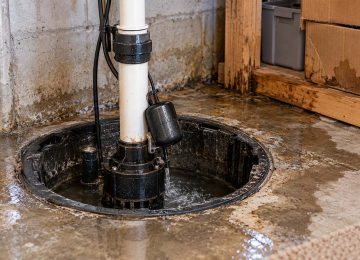
- Look at the float. If the float is visible, make sure it can move freely and is not pinned against the pit wall or caught by a cord. Remove only loose debris you can reach without putting your hands into the water.
- Look at the water level. An automatic sump pump will not start until its switch reaches the activation position.
Do not bypass a switch or defeat a GFCI. Do not keep resetting a breaker that will not stay on. Those actions can hide the actual fault. If the pump still will not start, our sump pump installation and repair service covers testing and repair for systems in San Diego County.
Is the problem power or the float?
When a sump pump stays completely silent, power is one of the first things to rule out. A loose plug or a tripped protective device can make a good pump look dead. A circuit problem can do the same. If power appears normal, the float or control is the next visible part to consider.
The float has to move through its intended range. A float wedged against the basin wall may never send the signal to start. A cord can hold it down. Sediment or loose material in the pit can interfere with movement. You can often spot those conditions without touching the pump.
Water level matters too. If the water is below the float’s start point, the pump may be doing exactly what it should. If the water is rising well above the normal switch position and the pump stays off, that is different. At that point, avoid forcing the switch or opening electrical components. A technician can determine whether the switch, control, wiring, or motor is the cause.
If the pump runs but does not remove water, that is a different problem from a pump that will not turn on. A discharge obstruction, failed check valve, damaged impeller, or pump wear may be involved. Our sump pump replacement service is available when testing shows that repair is not the right fix.
When should you stop troubleshooting and call a licensed contractor?
The line is simple. Homeowner-safe checks stay outside the equipment. Contractor work begins when testing requires electrical access, pump removal, disassembly, wiring work, control testing, or contact with contaminated water.
You should stop and call for service when any of these conditions are present:
- The outlet, plug, cord, control box, or surrounding area is wet.
- The breaker or GFCI trips again after one reset.
- The pump hums but does not move water.
- The pump smells burned or feels unusually hot from the outside.
- The pump makes a new grinding sound.
- The water level is high and the pump remains off after power and float position have been checked.
- The system handles sewage or wastewater that may contain sewage.
Sewage contact is always on the professional side. A sewage ejector or sewage pump system is not a place for homeowner troubleshooting inside the basin. Fox Pump Systems services these systems, including sewage ejector pump installation and related pump work.
What can a pump technician test that a homeowner should not?
A licensed pump technician can identify whether the fault is in the power supply or the pump system, then test the controls as needed. That usually means testing components under safe conditions, confirming whether the switch is sending the right signal, checking the motor response, inspecting connections, and evaluating the pump after it is removed when removal is needed.
That matters because several faults can look the same from above the pit. A failed float switch can look like a failed motor. A control problem can look like a dead pump. A jammed or worn pump can trip protection and make the electrical circuit appear to be the issue.
We work on sump and sewage pump systems across San Diego County and service Zoeller, Liberty, Hydromatic, Crane, Tsurumi, Sta-Rite, Wayne, Goulds, Jackel, Grundfos, Myers, Barnes, E/One, Alderon, SJE Rhombus, and PSI equipment. If you need an inspection, you can also send a request through our service request page.
FAQ about sump pumps that will not start
Can a sump pump be working even if I do not hear it run?
Yes. An automatic sump pump may stay off when the water level is below the switch point. If the pit is dry or only partly filled, silence does not prove there is a problem. The concern is a rising water level that reaches the switch area while the pump remains off.
Should I keep resetting the breaker if the sump pump will not start?
No. One reset can confirm whether the breaker simply tripped, but repeated tripping points to a fault that needs inspection. Stop if the breaker trips again. Do not keep cycling power. Do not open electrical equipment or bypass protection to force the pump to run.
Can a stuck float keep a sump pump from turning on?
Yes. A float that cannot rise or move through its normal path may never activate the pump. If the float is visible, look for contact with the basin wall or a tangled cord. Obvious debris can also block movement. Do not reach into unsafe water or dismantle the switch assembly.
What if the sump pump is humming but not pumping?
A humming pump is receiving some power, but that does not mean it can move water. The pump may be jammed or worn. Another mechanical fault may be present. Turn the situation over to a pump technician rather than letting the motor continue to strain without normal flow.
Can I troubleshoot a sewage ejector pump the same way?
No. Keep sewage and wastewater contact on the professional side. You can observe the alarm and visible power conditions from outside the basin. Obvious external damage is also worth noting. Do not remove covers or reach into a sewage ejector system. Call a licensed pump contractor for testing and service.
If your sump pump is not turning on and the safe checks do not solve it, call Fox Pump Systems at 619-240-4013. Steve Fox has been working on sewage and sump pumps since 1986. Fox Pump Systems is CSLB Lic #928391. We serve San Diego County, with office hours Monday through Friday from 8am to 5pm and emergency pump service available 24/7.