![Your sump pump starts grinding, humming, or gurgling and you are trying to decide whether the sound is normal or a warning. The noise matters most when it is new, louder than usual, or paired with poor pumping, repeated cycling, or a rising water level. Grinding, humming, and gurgling sump pump noises usually point to […]](https://foxpumpsystems.com/wp-content/uploads/2026/09/Grinding-humming-gurgling-what-each-sump-pump-noise-means-img-750x420.jpg "Grinding, humming, gurgling: what each sump pump noise means")
Your sump pump starts grinding, humming, or gurgling and you are trying to decide whether the sound is normal or a warning. The noise matters most when it is new, louder than usual, or paired with poor pumping, repeated cycling, or a rising water level.
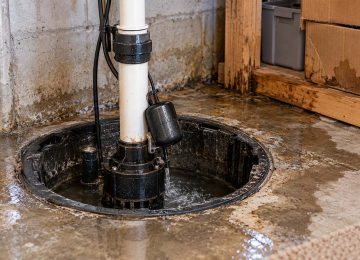
Grinding, humming, and gurgling sump pump noises usually point to different parts of the system. Grinding often suggests debris at the intake, contact around the impeller, or internal mechanical wear. Humming usually means the motor is energized, but the pump may be struggling to start or move water. Gurgling is often related to water and air moving through the discharge piping, especially as the pump shuts off or water changes direction. The sound alone does not confirm the repair. Check whether the water level is falling, whether the float moves freely, and whether the discharge is moving water. If the pump sounds strained, runs without lowering the water, repeatedly starts and stops, or requires electrical or mechanical disassembly, stop troubleshooting and call a licensed pump contractor. Sewage ejector systems should always be handled professionally if sewage exposure is possible.
What does a grinding sump pump noise mean?
A grinding sound usually makes us look first at the moving parts. The pump impeller has to spin freely. If debris reaches the intake or impeller area, it can create scraping or grinding sounds. Internal wear can sound similar.
Do not assume that every grinding noise means the pump itself has failed. Vibration can travel through piping or the pit, so a loose component can make the sound seem like it is coming directly from the motor. We listen to where the noise begins, then check whether the pump is actually moving water.
If the pump is grinding and the pit level is not dropping, shut it down only if doing so will not create an immediate flooding risk. A pump that is making mechanical noise while failing to move water should not be left running just because the motor still turns on.
For diagnosis of an existing system, see our sump pump installation and repair service.
Why is my sump pump humming but not pumping?
A humming sound usually tells us the motor is receiving power. What matters next is whether the pump starts moving water. If it only hums, the impeller may be blocked, the motor may be struggling to start, or the pump may be mechanically stuck.
Check the water level first. If the pump is humming while the water level keeps rising, treat that as an active pump failure. Do not keep unplugging and reconnecting it to force another start.
A float or control problem can also create confusing symptoms. The pump may receive power at the wrong time, or it may be called to run even though the operating condition is not normal. Electrical testing should be done by someone qualified to work on the system.
If the pump is no longer reliable or internal wear is confirmed, our sump pump replacement service covers removal and replacement.
Why does a sump pump gurgle after it shuts off?
Gurgling usually points us toward the discharge side. Water is moving through piping, air is moving with it, and flow changes when the pump stops. Some sound during that change can be normal.
A new or louder gurgle deserves a closer look. Water may be returning toward the pit. A check valve may not be closing as expected. The discharge path may also be creating turbulence that was not noticeable before.
Watch what happens after the pump shuts off. If the pit level rises right away and the pump restarts, the sound may be tied to water returning through the discharge line. Repeated cycling adds wear and can hide a discharge problem behind what sounds like a simple plumbing noise.
What can I check safely before calling for service?
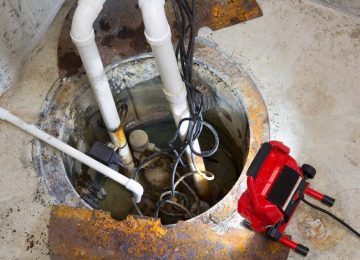
If the area is dry and there is no sewage contact, a few checks are reasonable for a homeowner or property manager. Keep the inspection visual. Do not reach into an energized pit.
- Look at the pit and see whether the water level falls while the pump runs.
- Check whether the float can move without catching on the pit wall, piping, or wiring.
- Listen for whether the noise starts with the motor, during water movement, or after shutdown.
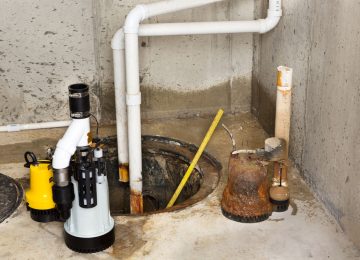
- Look at the visible discharge piping for a loose connection or obvious vibration.
- Check whether water returns to the pit right after the pump stops.
Stop there if the next step requires opening electrical components, removing the pump, taking apart the discharge, or reaching into the pit. Those steps move into contractor work.
If the system is a sewage ejector or sewer ejector setup, sewage contact stays on the professional side. Do not open or reach into a sewage basin. Fox Pump Systems provides sewer ejector pump service across San Diego County.
When does a sump pump noise need professional service?
Call for service when the noise comes with a performance problem. A pump that hums without moving water needs attention. Grinding that gets worse should be inspected. Gurgling paired with immediate restarting can point to a discharge or check valve issue.
We also want to see the system when the sound changes suddenly and stays changed. Pumps develop recognizable operating sounds over time. A new mechanical sound can be the first sign that a part is contacting, binding, or wearing.
We diagnose the whole system before deciding what to repair. That includes the pump, float or controls, visible discharge components, and the operating condition in the pit. Fox Pump Systems works on Zoeller, Liberty, Hydromatic, Crane, Tsurumi, Sta-Rite, Wayne, Goulds, Jackel, Grundfos, Myers, Barnes, E/One, Alderon, SJE Rhombus, and PSI equipment.
For non-emergency scheduling, use our service request.
Frequently asked questions
Is it normal for a sump pump to make noise when it starts?
Some operating noise is normal when a sump pump starts and moves water. The concern is a new sound, a much louder sound, or a noise that continues when the pump is not moving water correctly. A change in sound is worth checking because it can point to a mechanical, discharge, or control problem.
Why does my sump pump make a loud noise and then stop?
A loud sound followed by a stop can come from the pump, the float control, or water moving through the discharge line. If the pump repeatedly starts and stops, sounds strained, or leaves the pit level unchanged, the system should be inspected instead of repeatedly cycling it to see if the noise disappears.
Can debris in the pit make a sump pump grind?
Yes. Debris can reach the intake or impeller area and create scraping or grinding sounds. Turn the system off only if the area is dry and the pit is not actively filling. Do not reach into an energized pit. If debris is inside the pump or removal requires disassembly, call a licensed pump contractor.
Why does my sump pump gurgle after it shuts off?
Gurgling after shutdown can come from water and air moving through the discharge piping as flow slows or changes direction. It can also happen when water returns toward the pit. If the sound is new, frequent, or paired with repeated cycling, the discharge path and check valve should be inspected.
Should I replace a noisy sump pump or repair it?
That depends on the cause of the noise and the condition of the pump. A loose component, blocked intake, control problem, or discharge issue may be repairable. Internal wear or repeated mechanical trouble may point toward replacement. We diagnose the system first so the recommendation matches what is actually causing the sound.
How we can help
Fox Pump Systems is a licensed pump specialty contractor serving San Diego County under CSLB Lic #928391. Owner Steve Fox has worked on sewage and sump pumps since 1986. If your sump pump is grinding, humming, gurgling, or making another new noise, call 619-240-4013. Our office is open Monday through Friday from 8am to 5pm, and emergency pump service is available 24/7.